
Topic guide
Trauma & PTSD
This page is a starting point, not a diagnosis. If you'd like to speak to someone, Ventcare's verified therapists and counselling centres are ready to help.
What this can mean
Trauma responses can follow a distressing event and may include flashbacks, avoidance, heightened alertness, or difficulty feeling safe.
When it may help to seek support
If a past event keeps intruding on your present, or you notice yourself avoiding reminders of it, a trauma-informed therapist can help you process it at your own pace.
What a first session looks like
Trauma-informed practitioners move slowly and check in often. A first session focuses on safety and building trust, not on retelling everything at once.
Also known in Kiswahili as Athari za kiwewe.
Everyday signs people describe
- Flashbacks, intrusive images or nightmares about what happened
- Being easily startled, always scanning for danger, unable to relax
- Avoiding places, people, roads or conversations that remind you of it
- Feeling numb, detached, or unlike yourself
- Anger or irritability that surprises you
- Guilt or shame, including blaming yourself for what was done to you
In the Kenyan context
- Common sources people bring to Kenyan therapy include road accidents, robbery and carjacking, gender-based violence, childhood abuse, medical trauma and difficult births, and loss of a loved one in sudden circumstances.
- Frontline workers — police, medics, matatu crews, journalists and humanitarian staff — carry repeated exposure without routine debriefing.
- Survivors of gender-based violence often need both clinical care and safety planning; Healthcare Assistance Kenya's toll-free 1195 line and Childline 116 support this.
- Community and family can be protective, but pressure to 'move on' or keep matters private can delay care for years. It is never too late to start.
Common beliefs, and the reality
“You have to describe everything in detail to be helped.”
Trauma-informed therapists build safety first and let you control what you share and when. Effective treatment does not require reliving it all at once.
“If it happened long ago, it is too late.”
People recover from trauma years and decades later. Treatment still works.
“It only counts if it was life-threatening.”
Ongoing abuse, humiliation, neglect and repeated exposure at work all leave trauma responses that deserve care.
What can help before or alongside therapy
- Grounding: name five things you can see, four you can hear, three you can touch — it brings you back to the present.
- Keep the basics steady — regular meals, water, sleep window, less alcohol.
- Choose who you tell and how much; you owe no one the full story.
- Notice your triggers and plan for them rather than facing them by surprise.
- Avoid news or video replays of similar events, especially before bed.
- If you are still in danger, safety comes before therapy — call 1195 (GBV) or 999/112.
Kinds of support offered here
Trauma-focused CBT
Structured, paced work on memories and the beliefs left behind by the event.
EMDR
A recognised trauma therapy offered by some Kenyan practitioners; ask a provider whether they are trained in it.
Stabilisation and body-based work
Grounding, breathing and nervous-system regulation, often used before deeper processing.
Safeguarding and legal support
Where abuse or a child is involved, providers coordinate with protection services and can help you understand your options.
Questions people ask
- Is every difficult experience PTSD?
- No. Most people have strong reactions after a distressing event and settle over weeks. When symptoms persist and keep interfering with life, an assessment is worthwhile.
- How do I find a trauma-informed therapist?
- Look for trauma listed among a provider's specialties on their Ventcare profile, and ask in the first session how they pace trauma work.
- Can I bring a support person?
- Many providers allow it, especially for a first session. Ask when you book.
- Is what I say confidential?
- Yes, with the standard legal limits — for example a risk to life or a child's safety. Your therapist will explain those limits up front.
Verified providers who support trauma & ptsd

Serene Ridge Recovery Centre
Rehabilitation centre
Credentials verified
- In person
- Limuru
- Availability on request
KES 6,500 / session
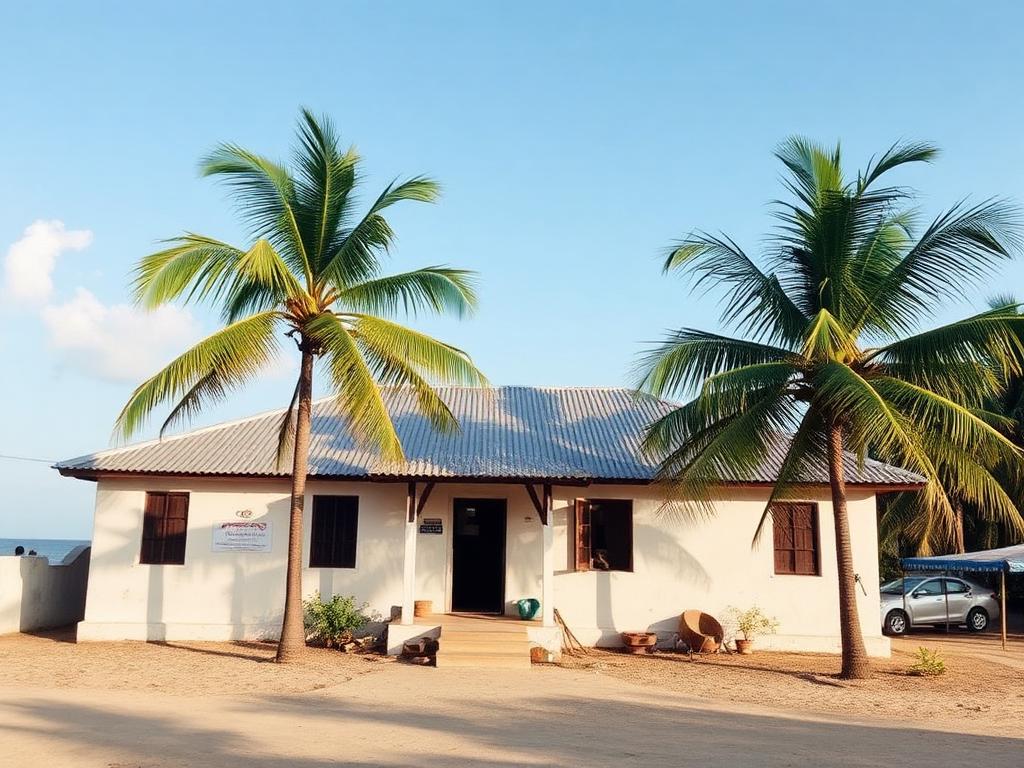
Bahari Restoration Centre
Rehabilitation centre
Credentials verified
- In person
- Mombasa
- Availability on request
KES 5,500 / session

Dr. Amani Wekesa
Freelance therapist
Credentials verified
- Online · In person
- Nairobi
- Availability on request
KES 4,500 / session